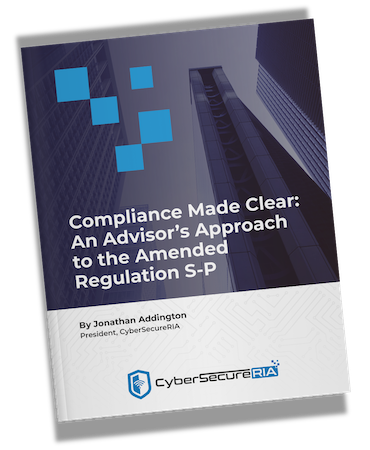

At CyberSecureRIA, we help advisory firms turn compliance pressure into a predictable, repeatable program. For years, our team has built and operated audit-ready cybersecurity for RIAs—policies that match real workflows, controls that hold up in the field, and clean evidence you can hand to examiners. We specialize in Cybersecurity audit preparation for RIAs, translating SEC cybersecurity regulations into practical steps, coordinating with your MSPs and vendors, and guiding you through the full cybersecurity audit process from pre-work to post-audit fixes.
Understanding the Importance of Cybersecurity Audits for RIAs
For RIAs, cybersecurity reviews are part of routine examinations. During an SEC cybersecurity audit, examiners look past slide decks to see whether you actually protect client data day to day, keep the business running under stress, and meet RIA compliance requirements you’ve documented. Show clear ownership, recent tests, and clean records, and you’ll move through faster with fewer findings. Come in with missing logs, stale policies, or sloppy offboarding, and you invite remediation, penalties, and reputational pain. Bottom line: it’s not a pass/fail stamp—it’s proof your Investment adviser data security program works when it counts.
Common Challenges Faced by RIAs During Audits
Most issues stem from gaps between policy and practice:
- Outdated policies that don’t reflect current tools or workflows, or were templates never customized for your firm
- Thin evidence packs (training logs, incident files, vendor diligence missing or scattered)
- Inconsistent access controls and incomplete offboarding
- Overreliance on third parties without clear role mapping or artifacts
Step-by-Step Guide to Preparing for a Cybersecurity Audit
Use this practical RIA audit checklist to make Preparing for a cybersecurity audit efficient and defensible:
- Define owners and scope: name an internal lead, backups, and MSP/vendor points of contact
- Align policies to reality: update Regulation S-P safeguards, incident response, business continuity, access control, vendor management
- Assemble the evidence pack: policies/procedures, risk assessment, asset inventory, access reviews, MFA coverage, training logs, phishing results, incident records, vendor assessments, backup/restore proofs, patch and vulnerability reports
- Validate critical controls: enforce MFA/conditional access, disable external auto-forwarding, restrict legacy protocols, harden admin access, verify encryption and endpoint protections
- Run a 60-minute tabletop: choose a credible scenario (compromised mailbox, misdirected data), record decisions and action items, update the plan
- Close quick wins: least privilege on shared resources, standardized offboarding, documented change approvals
- Brief leadership: align on messaging, responsibilities, and what to expect during a RIA compliance audit
Leveraging Technology to Streamline Audit Preparation
You don’t need a massive platform to look organized; you need clear artifacts:
- A secure document hub for policies, attestations, training reports, vendor files, incident logs
- Ticketing or GRC workflows to show how requests, patches, and exceptions are handled end to end
- Identity and device dashboards for access reviews, MFA status, and device posture
- Vulnerability and configuration reporting to show progress in Cybersecurity risk management for RIAs
- Backup verification logs demonstrating you can restore what matters
Training and Educating Staff on Cybersecurity Protocols
Examiners expect people to know—and follow—the rules. Keep training short and frequent: phishing, data handling, secure communications, remote work hygiene, and fast reporting without blame. Track everything: attendance, scores, simulation outcomes, targeted coaching. This turns training into both a security control and evidence for SEC cybersecurity regulations.
Engaging with Third-Party Experts for Audit Readiness
An external review can compress months of guesswork. CyberSecureRIA tunes your policy set to your environment, runs compact table-tops, hardens identities and email quickly, and assembles an evidence binder that exam teams actually want to see. We also align your MSP’s responsibilities to your documentation, so there’s no daylight between what you say and what happens in practice during a SEC cybersecurity audit.
Post-Audit Actions: Continuous Improvement and Monitoring
Treat the audit as a progress report, not a finish line:
- Prioritize findings, assign owners, and commit timelines
- Update policies and procedures to match how you now operate
- Close documentation gaps and standardize how artifacts are collected
- Schedule recurring checks (access reviews, vendor diligence, backup tests, training refreshers)
- Run a brief tabletop to validate any changed processes and capture the evidence
Resources and Tools for Ongoing Compliance
Anchor your program with these references and artifacts:
- Regulation S-P (safeguards and incident handling), Regulation S-ID (red flags), Advisers Act Rule 206(4)-7 (Compliance Program), Rule 204-2 (books and records)
- NIST CSF and CIS Controls for benchmarking Cybersecurity risk management for RIAs
- A living evidence pack: current policies, risk assessment, asset inventory, access/MFA reports, training and phishing logs, incident files, vendor diligence, backup/restore proofs, vulnerability reports, and management reviews
If you want to move from “we think we’re ready” to “we can prove it,” we can help. CyberSecureRIA specializes in Cybersecurity audit preparation for RIAs—aligning policy, practice, and proof so you’re ready for any RIA compliance audit. Let’s build a program that stands up to examiners and protects your clients every day.
Start here: https://www.cybersecureria.com/sec-compliance/